
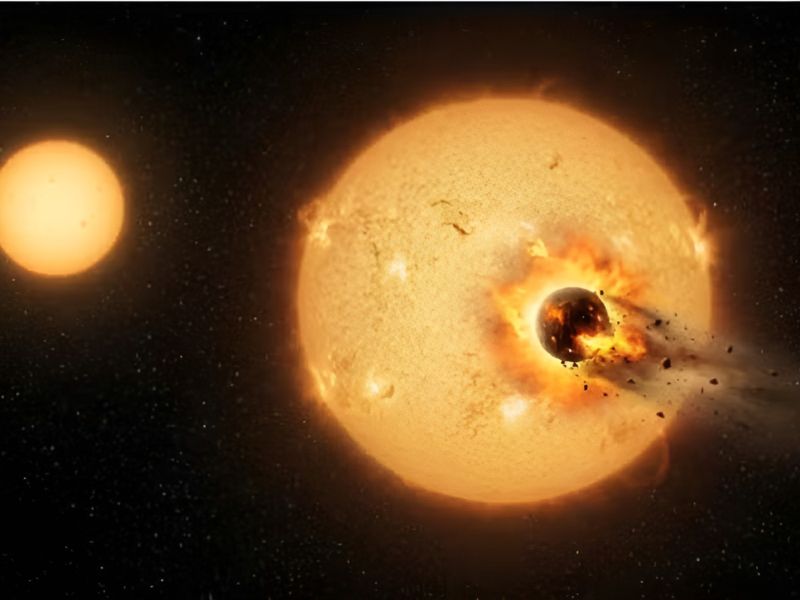
USP researchers develop a method to detect stars that swallowed planets
An international research team led by scientists at the University of São Paulo (USP) has developed a new technique for identifying stars that have c…
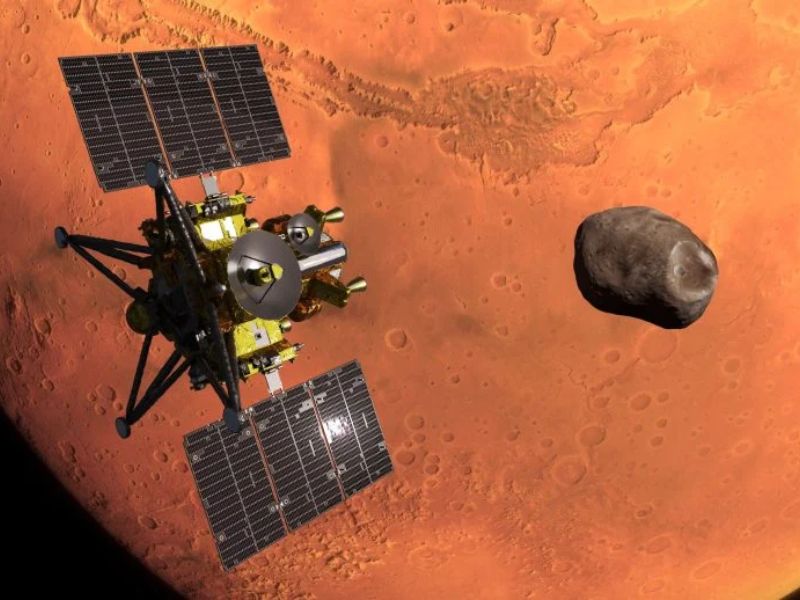
Phobos has orbited Mars for billions of years, yet scientists have not determined exactly how the small moon formed. One theory suggests that Mars ca…
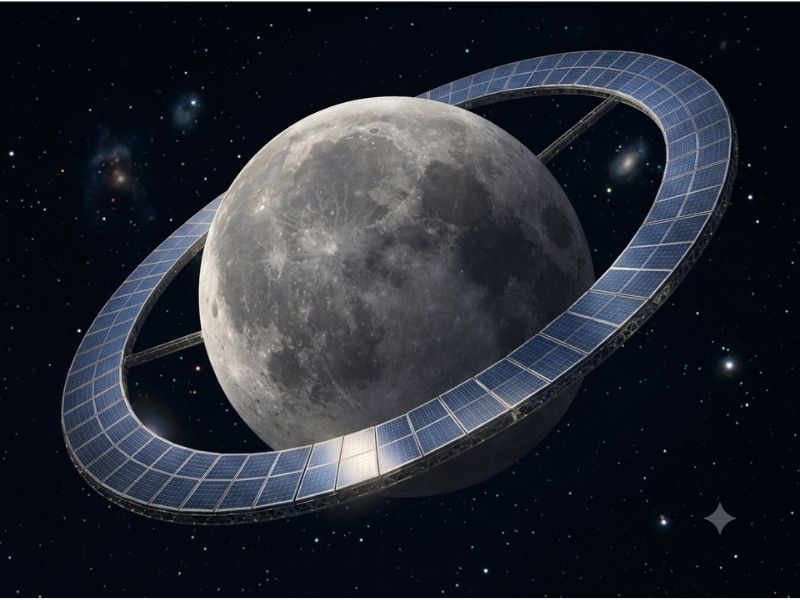
The idea of collecting solar energy in space has evolved from science fiction into a serious engineering concept. More than a decade ago, Japan’s Shi…
One of the world's largest uranium mining operations, the Wismut GmbH Schlema-Alberoda mine in the former Soviet-controlled East Germany, left a last…
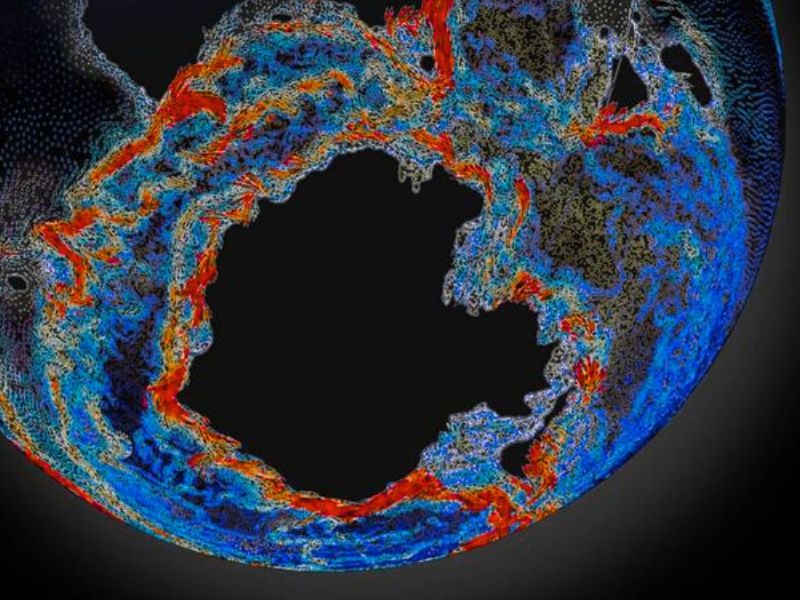
New climate simulations suggest that the world's most powerful ocean current emerged only after a unique combination of geological and atmospheric ch…
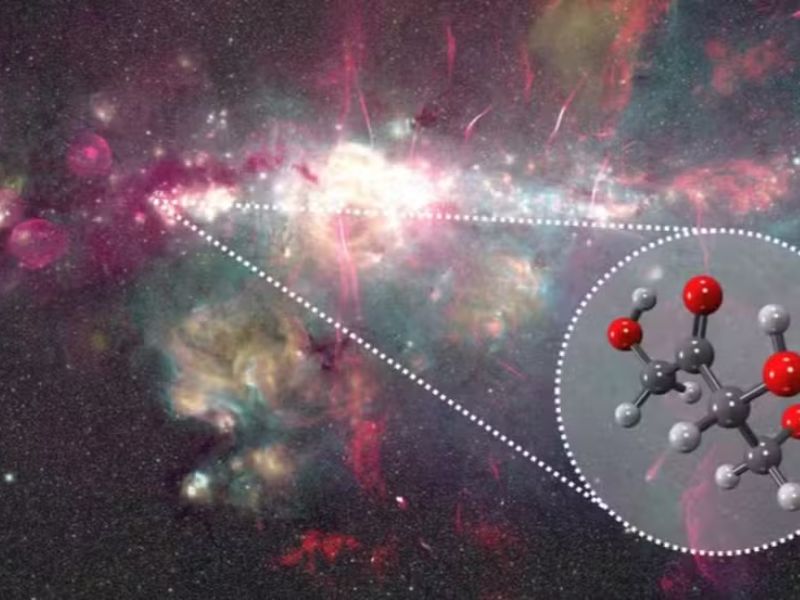
An international team of astronomers has made the first-ever discovery of a true sugar beyond the Solar System. The molecule, known as erythrulose, w…
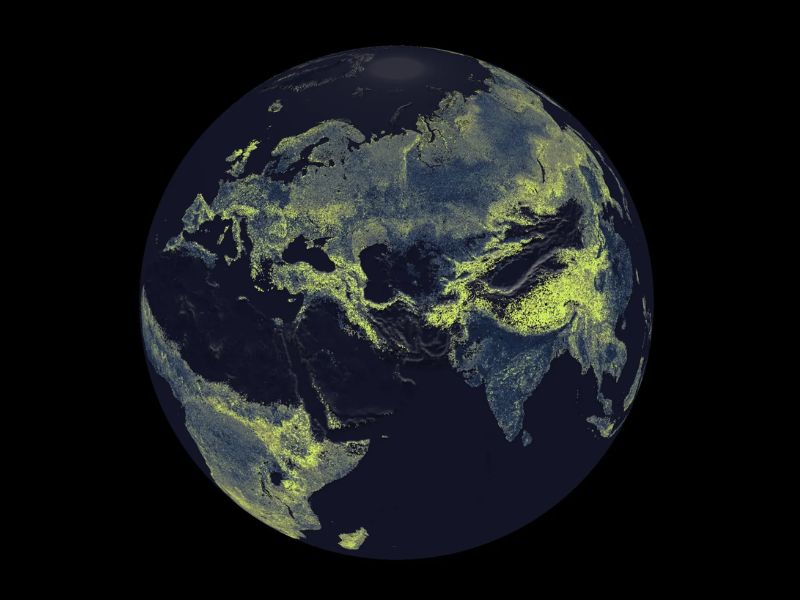
Scientists have mapped Earth’s vast underground fungal network, revealing it is so extensive that, if stretched into a single line, it could reach ot…
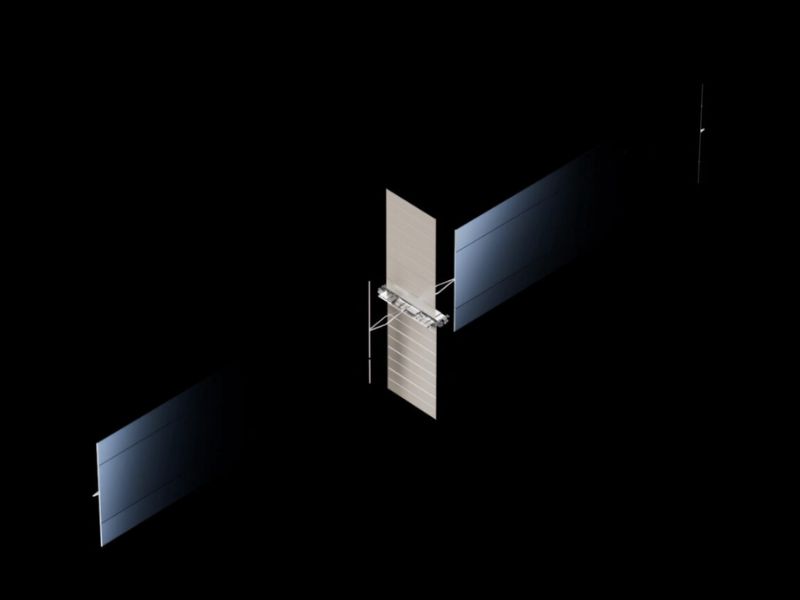
SpaceX officially unveiled AI1 this week, its first-generation satellite built to host AI workloads in space. Elon Musk presented the project during …
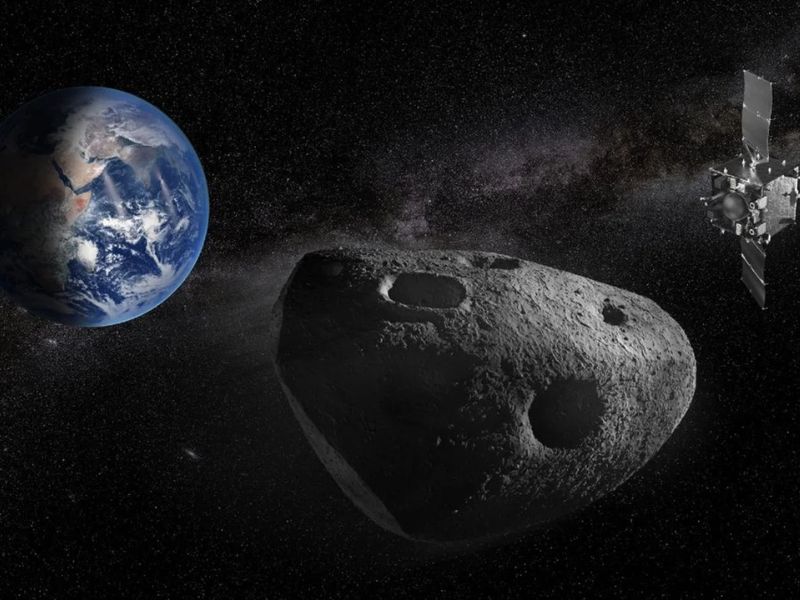
Toward the end of June, Earth is expected to have a close encounter with asteroid 152637, also known as 1997 NC1, which will make its nearest approac…
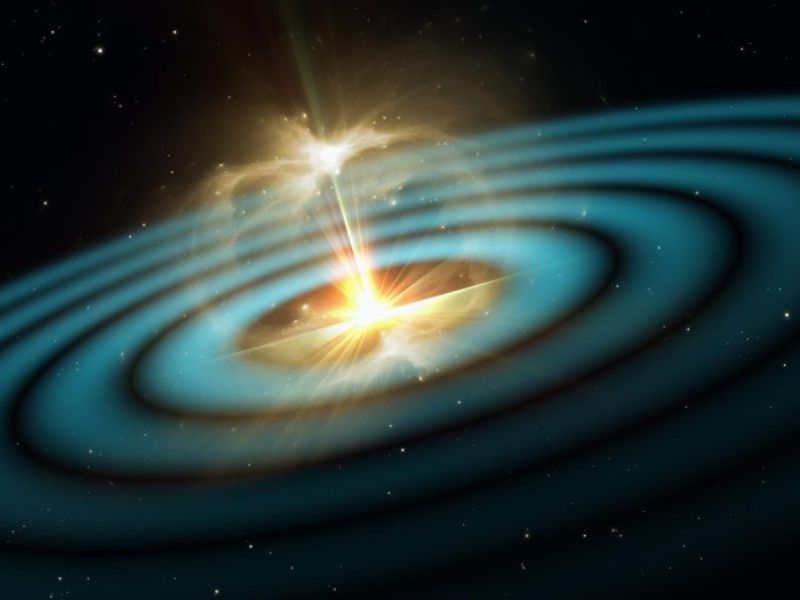
A new detector-based approach explains how gravitational waves can be measured in a universe that is constantly changing. Imagine trying to measure r…
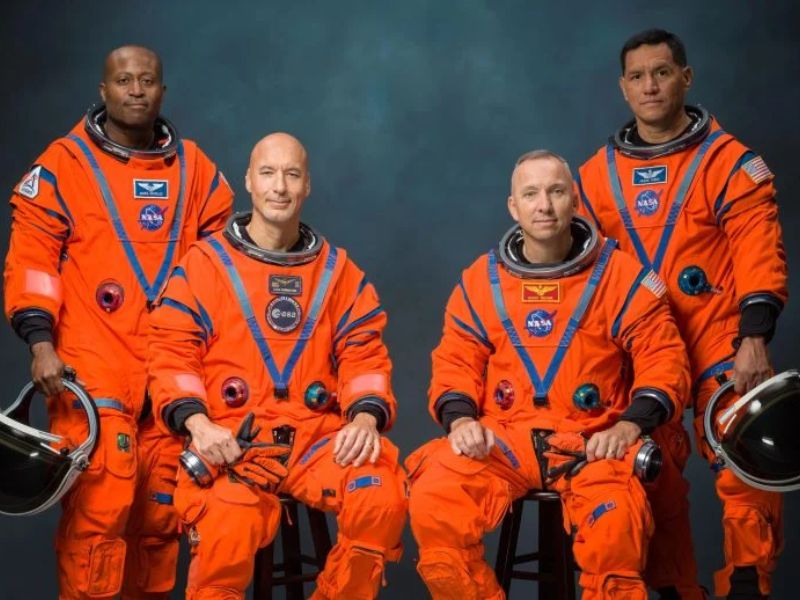
NASA’s newly announced Artemis III crew is gearing up for one of the most challenging missions ever undertaken in the effort to return to the Moon. N…
In 2001, British electrical engineer Roger Shawyer unveiled the EmDrive, often dubbed the “impossible drive.” The device gained attention because Sha…