
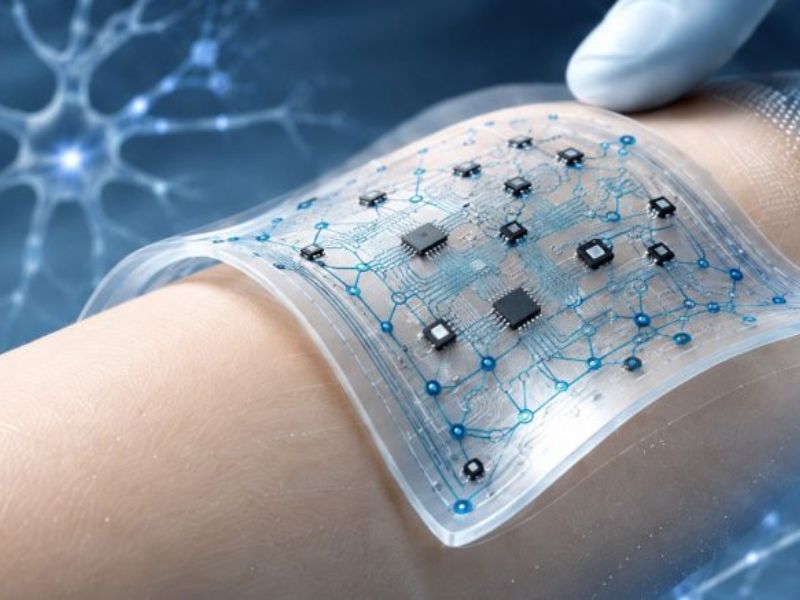
Scientists are creating skin-like electronics that learn like a brain
Researchers are developing flexible neuromorphic electronics that imitate the brain’s information-processing abilities, offering a potential alternat…

Researchers at the Universitat Politècnica de València and the University of Alicante developed an innovative floating buoy that prevents jellyfish f…
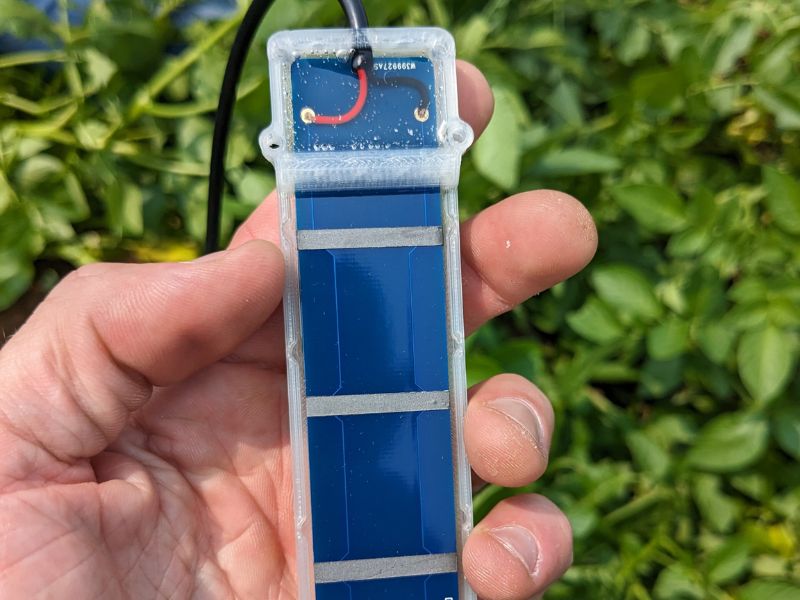
New degradable sensors may provide valuable insights into the hidden yet vital microbial communities within soil. Developed by researchers at Lancast…
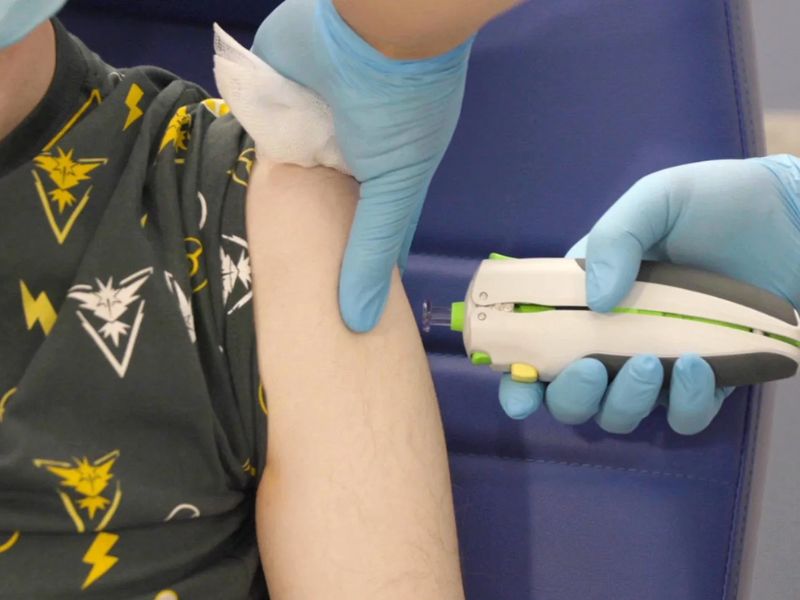
A new universal coronavirus vaccine has completed its first human clinical trial, representing a key advance toward broader protection against future…
Scientists in Sweden have developed a more reliable way to produce insulin-producing cells from human stem cells, a potential advance for type 1 diab…
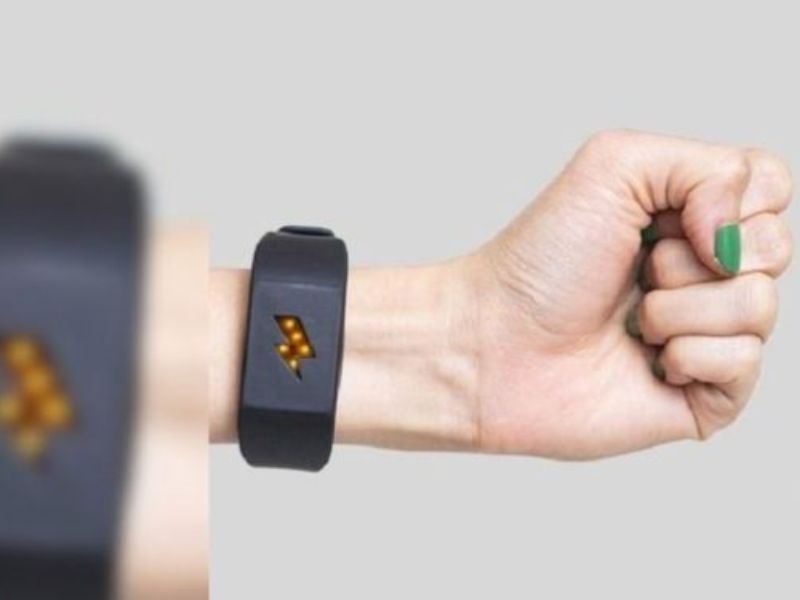
Online courses, budgeting spreadsheets, freezing your credit card—if none of these have stopped you from overspending, perhaps it's time for a more d…
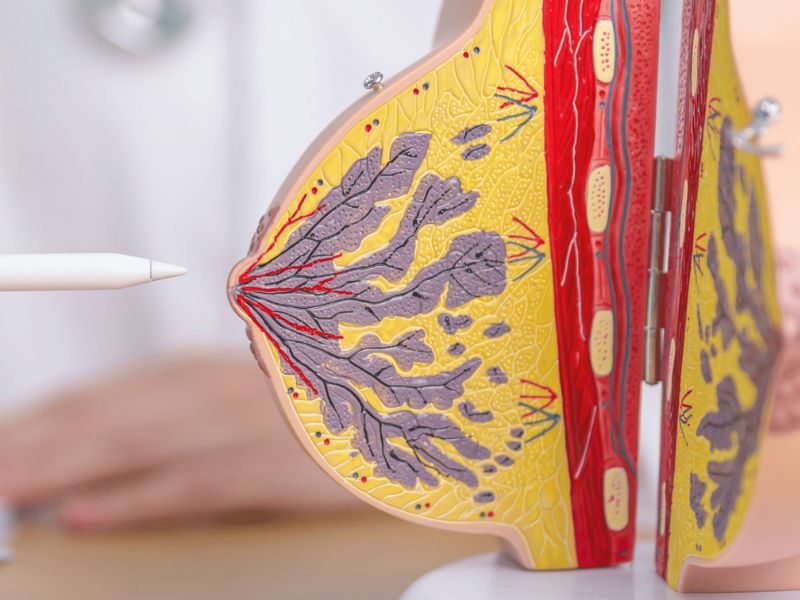
An international study suggests that many women with early-stage breast cancer can safely skip chemotherapy without affecting their chances of succes…
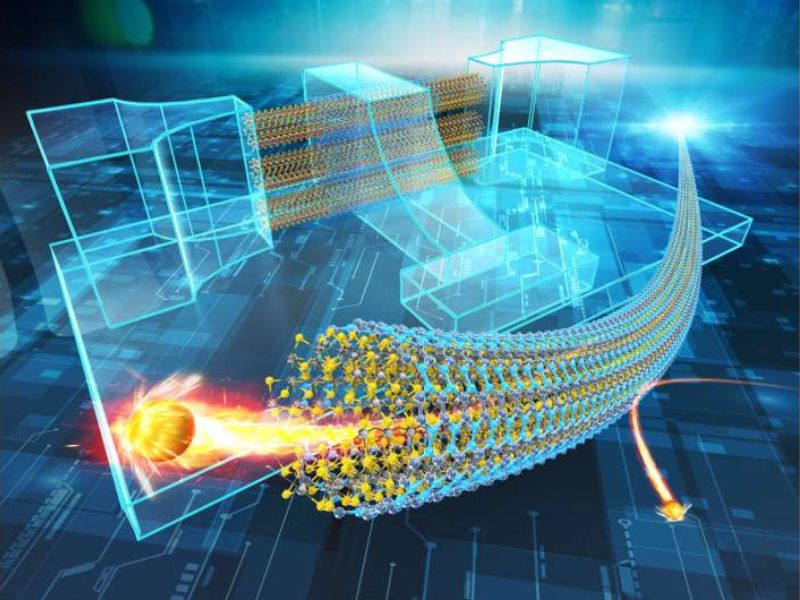
Researchers in Japan, including the University of Tokyo, have created ~1 nm-wide semiconducting nanotubes—about 100,000× thinner than a human hair—by…
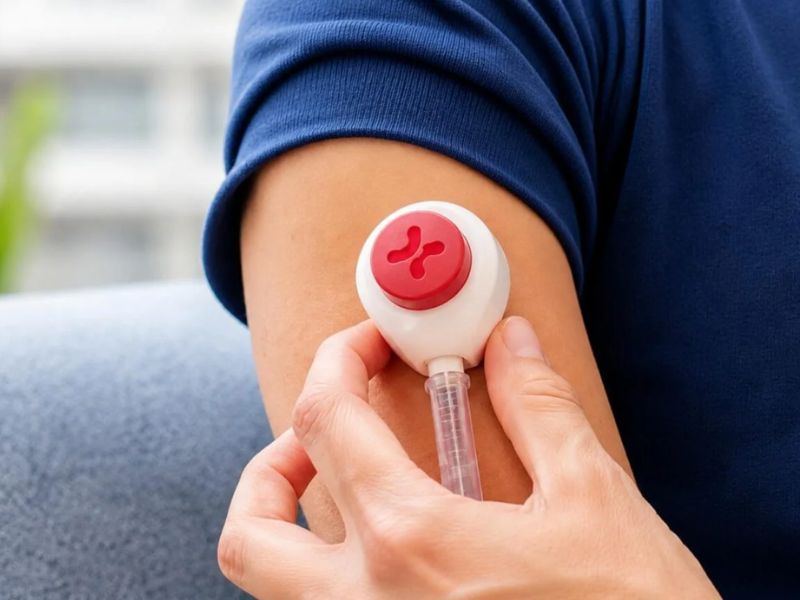
The Brazilian National Health Surveillance Agency (ANVISA) has authorized use of the Tasso device in Brazil, a technology designed to simplify blood …
In 2001, British electrical engineer Roger Shawyer unveiled the EmDrive, often dubbed the “impossible drive.” The device gained attention because Sha…
NVIDIA introduced the RTX Spark, a new processor for Windows PCs, marking its shift into integrated consumer computing. At Computex in Taipei, CEO Je…
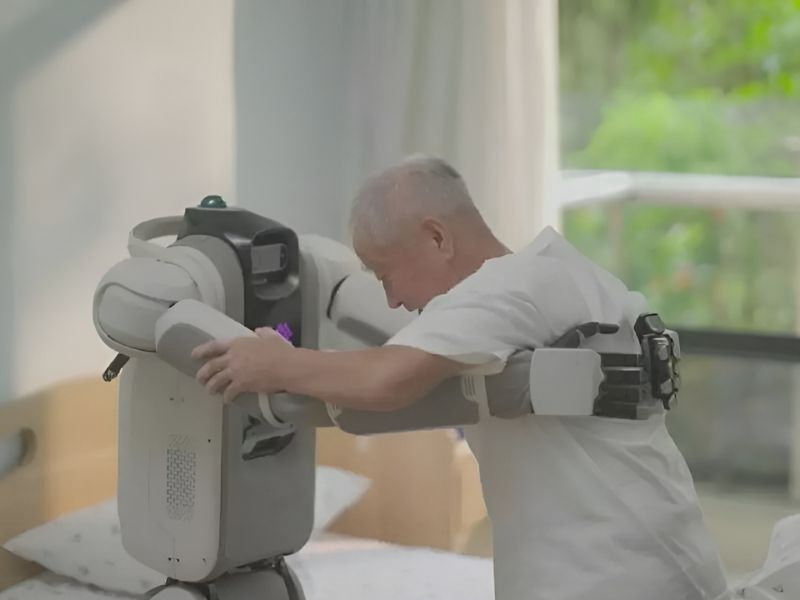
China’s elderly care robot market is projected to surpass 10 billion yuan (about US$1.47 billion) by 2026, according to a Tuesday MIIT report, as the…